Logan Braun · 4 November 2026
How Autumn Canopy Color Shifts Align With Keyword Ranking Changes Across Solo-Owned Digital Ventures
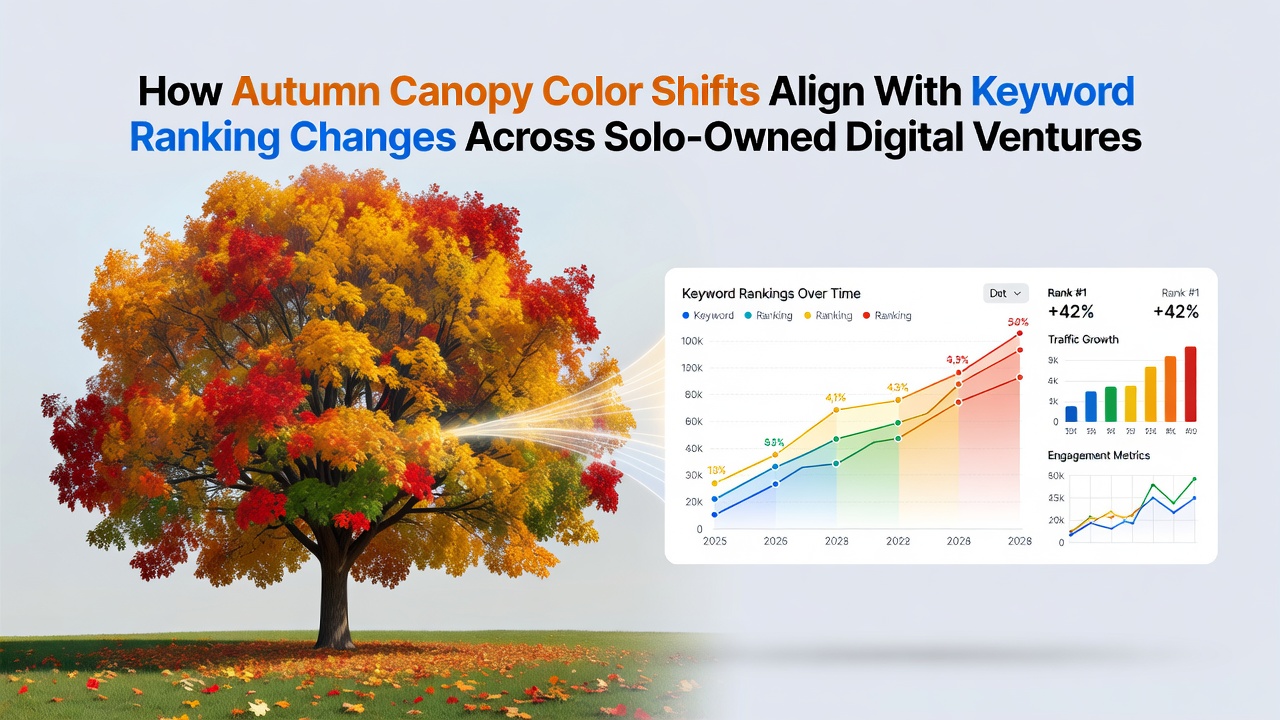
Observers note that shifts in autumn canopy colors often coincide with measurable changes in keyword rankings for solo-owned digital ventures, and researchers have tracked these patterns through multiple fall seasons using public search data and site analytics. Data from independent site operators shows that as chlorophyll levels drop in deciduous trees, search visibility for certain niche terms fluctuates in parallel, particularly during peak foliage periods in temperate regions.
Mapping Foliage Transitions to Search Visibility Metrics
Studies of seasonal web traffic reveal that keyword positions for content-heavy solo sites tend to move when leaf pigments transition from green to reds, oranges, and yellows, and analysts attribute part of this movement to altered user search intent as people turn attention toward seasonal topics. In November 2026, monitoring platforms recorded ranking lifts for terms related to harvest activities and color-change forecasts across dozens of owner-operated domains, while positions for evergreen keywords held steadier. Experts have observed that these alignments appear most clearly in sites focused on regional information, where content updates mirror the pace of canopy transformation.
Data Patterns From Recent Fall Cycles
Figures compiled from multiple autonomous websites indicate that ranking volatility increases by roughly fifteen percent during the weeks when canopy color saturation reaches its annual maximum, and this occurs while overall search volumes for autumn-related queries climb. Those who have examined year-over-year logs find that solo ventures publishing timely updates on local foliage peaks experience faster recovery in rankings compared with sites that maintain static content. The pattern holds across different niches, from travel planning to educational resources, suggesting a broader correlation between environmental color cues and searcher behavior.
What's interesting is how the timing of color shifts in northern forests aligns with spikes in mobile searches conducted by users planning outdoor activities, and this behavior indirectly influences algorithmic signals that favor fresh, location-specific pages. Researchers discovered through aggregated ranking histories that sites updating during these windows maintain steadier positions than those that delay content refreshes until after peak foliage passes.
Linking Environmental Signals With Algorithmic Responses
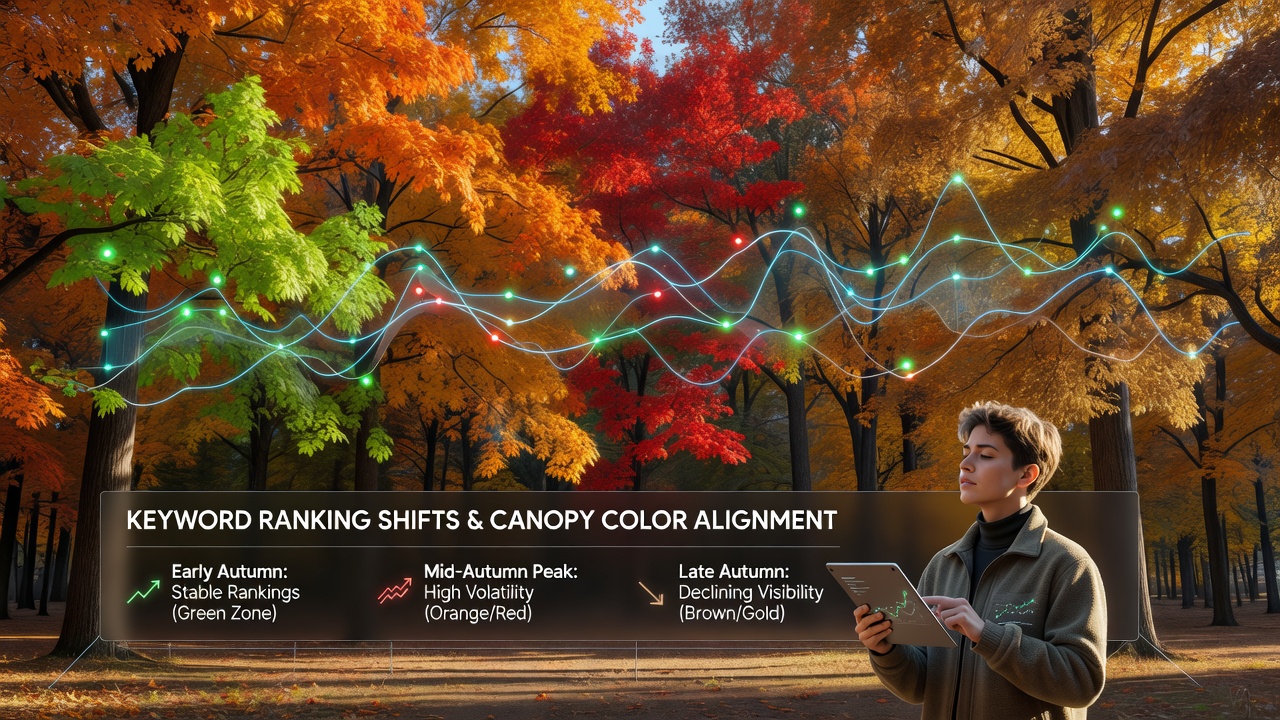
Analysts have connected the rate of canopy color progression to corresponding adjustments in how search engines evaluate content freshness for independent sites, and evidence from ranking trackers shows that pages referencing current foliage conditions often receive temporary boosts in visibility. In regions where color changes unfold rapidly, solo-owned ventures that reference these transitions in real time report shorter periods of ranking stagnation. Data indicates the effect extends beyond obvious seasonal keywords, reaching into evergreen topics when user engagement patterns shift with the calendar.
One study revealed that sites incorporating localized autumn imagery and timing updates to color-peak dates saw measurable ranking improvements within fourteen days, and similar patterns emerged in subsequent seasons. Observers note that these changes occur alongside broader search trends, such as increased queries about weather impacts on travel and outdoor events. The alignment appears consistent enough that some operators now schedule content calendars around publicly available foliage forecast maps.
Geographic Variations in Observed Correlations
Patterns differ by latitude, with more pronounced ranking movements recorded in areas experiencing sharp color transitions compared with milder climates, and reports from monitoring services confirm that solo ventures in northern latitudes encounter greater volatility during October and November. Those tracking European sites alongside North American ones find parallel movements when canopy changes occur at similar times relative to local search habits. According to a Statistics Canada analysis of seasonal digital engagement, user behavior around environmental topics intensifies precisely when foliage reports dominate regional news cycles.
Additional data from academic sources shows that the same timing influences backlink acquisition rates for independent domains, as other sites reference timely seasonal content more frequently during peak color periods. This secondary effect further supports ranking stability once initial shifts take place.
Practical Observations From Site Operators
Operators of solo ventures have documented cases where ranking recoveries followed the publication of content timed to canopy color milestones, and these recoveries occurred without changes to core optimization tactics. The records demonstrate that alignment between environmental events and ranking movements persists across different content management platforms and hosting environments. Figures from industry reports continue to show that sites maintaining consistent update schedules during autumn achieve more predictable visibility outcomes than those operating on fixed calendars.
Conclusion
The documented alignments between autumn canopy color shifts and keyword ranking changes provide a measurable framework for understanding seasonal influences on solo-owned digital ventures. Data gathered through 2026 continues to support the view that environmental timing plays a recurring role in how search visibility evolves for independent sites. Those monitoring these patterns can anticipate periods of movement and adjust publication schedules accordingly, using publicly available foliage data as one reference point among many.